Abdelmohsen Elsayed is a Digital Transformation Lead at SquareOne MEA with over 16 years of experience serving Saudi government organizations.
Specializing in enterprise content management and AI, he combines business analysis, solution architecture, and project leadership to modernize workflows, improve information access, and deliver practical solutions aligned with business needs.
Abdelmohsen Elsayed
Digital Transformation Lead

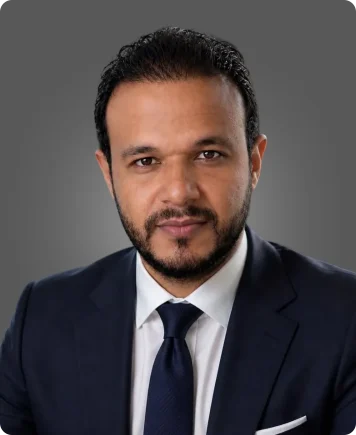
Vasundhara Chatterjee is the Regional Marketing Manager at SquareOne Technologies, bringing nearly 18 years of diversified experience in multifaceted marketing, integrated content and communications, and strategic brand storytelling. She is responsible for shaping compelling narratives and strengthening SquareOne’s brand presence across the MENA region, driving thought leadership across technology, enterprise services, and innovation sectors.
Her career spans leading organizations including Burson India, Thomson Reuters, Columbus, and Innovaccer. Vasundhara holds an M.Sc. in Biochemistry from Nagpur University (India) and an MBA in Marketing and HRD from Indus Business Academy, Bengaluru (India) — a unique blend that fuels her analytical thinking and creative edge in digital transformation marketing.
Vasundhara Chatterjee
Regional Marketing Manager

Sudesh is the CTO of BANKiQ and Co-founder of SquareOne Insights, bringing 20 years of leadership in enterprise sales, technology innovation, and business transformation. He has held senior roles at Oracle, SAP, Symantec, CA, and TCS, leading large teams and driving high-growth strategies. His expertise spans Fraud-Risk-Compliance, Business Analytics, ERP, and Infrastructure Management across India, Thailand, Singapore, and Australia.
A postgraduate in Engineering with a degree in Computer Science and Physics, Sudesh blends deep technical expertise with strategic business acumen, making him a key industry voice in enterprise solutions and emerging technologies.
Sudesh Prabhu
Chief Technology Officer

George Varghese is the Executive Director at SquareOne Group & BANKiQ, recognized for his illustrious career spanning over 30 years in the IT industry. He has held senior leadership roles at SquareOne, Oracle, SAS, IBM, APC, and Rolta, leading Sales, Marketing, Alliances, and Solution Practices across India and the Middle East.
Overseeing operations, George leads business development, market expansion, and OEM Alliance management. His expertise in Fraud-Risk-Compliance, Enterprise Applications, and Analytics continues to elevate SquareOne’s market influence, reinforcing its leadership and long-term success in the industry.
George Varghese
Executive Director

Feras Khiami is a seasoned Business Analyst and IT Consultant with over a decade of experience driving digital transformation and business automation initiatives across sectors. At SquareOne Technologies, Feras leads with a problem-solving mindset and a strong foundation in enterprise content management, intranet platforms, and self-service portal design.
With deep technical expertise and a sharp understanding of business needs, Feras bridges the gap between strategy and execution, translating complex requirements into effective, user-centric solutions. Known for his collaborative spirit and strong communication skills, he’s committed to delivering value through innovation, precision, and partnership.
Feras Khiami
Solutions Manager

Mutasem Al Jundi serves as the Regional PMO Head at SquareOne Technologies. His proactive approach to supporting and planning effective organizational strategies has been pivotal in managing operations across multiple locations.
With a track record of successfully overseeing numerous projects, from implementation to production support, Mutasem boasts extensive subject matter expertise in Operations Management.
He is PMP Certified in IT Project Management and has a robust background in planning, technology and people management, IT infrastructure management, and IT services management (ITSM). Mutasem’s leadership and strategic vision continue to drive significant advancements in the digital landscape at SquareOne.
Mutasem Al Jundi
Director of Solutions

Tala Jomah is a HR professional with over 10 years of experience managing all aspects of human resources. She has extensive expertise in talent management, recruitment, organizational development, performance management, employee engagement, compensation & benefits, HR policies, and compliance across multiple industries. Tala is known for designing and implementing HR initiatives that drive employee growth, satisfaction, and retention, while aligning HR strategies with business objectives. With a strong track record of overseeing end-to-end HR operations, she combines strategic vision with hands-on execution to create high-performing and motivated teams.
Tala Jomah
Regional HR Manager

Bhavesh Jajal is the Regional Finance Manager at SquareOne Technologies, bringing over 15 years of expertise in Credit Administration, Risk Management, Collection Management, Process Management, Operations, and Customer Relationship Management.
His background includes three years in Internal Audit, Compliance, Process Mapping, and Redesigning, alongside certification as an IRCA Certified ISMS Auditor/Lead Auditor from ISOQAR. Known for his result-oriented approach, Bhavesh excels in Strategic Planning, Financial Accounting, Forecasting, and Budgeting.
His exceptional interpersonal communication and organizational skills, combined with his expertise in team management and customer relationship management, have been pivotal in driving operational excellence and strategic financial planning at SquareOne Technologies.
Bhavesh Jajal
Director of Solutions
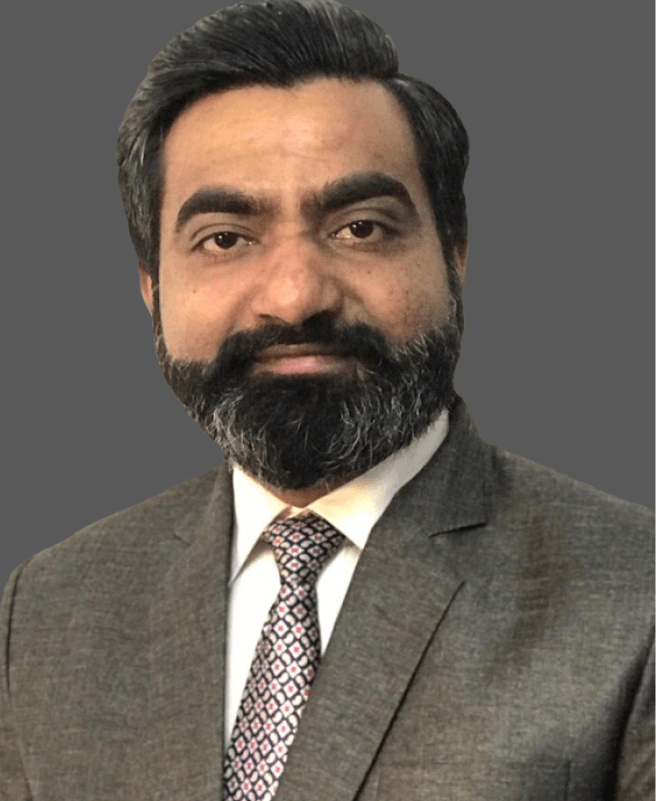
Osama is the country manager of SquareOne Technologies in the Kuwait region. He brings a robust 30 years of experience in management, public relations, and sales management.
His seasoned expertise in GCC markets and his understanding of the region’s business culture have been instrumental in fostering strategic partnerships, enhancing business operations, and driving growth.
Osama brings a proactive approach to navigating market complexities, leveraging his extensive experience in key sales and marketing roles across the Middle Eastern region. His insights into market trends and strategic leadership make him pivotal in driving growth and innovation.
Osama holds a Bachelor of Economics and Business Administration from Mu’tah University, underpinning his comprehensive understanding of business dynamics.
Osama AlTaher
Country Manager

Nader, the Solution Director of Enterprise Information Management and Robotic Process Automation, collaborates with clients and the leadership team to guide customers on their digital transformation journey, focusing on strategic EIM initiatives.
As a techno-functional professional, Nader bridges the gap between business and technology, steering projects from strategy to implementation in Enterprise Content Management (ECM) and RPA.
With a decade of rich experience in designing and implementing solutions aligned with business requirements, Nader has been instrumental in driving operational excellence and facilitating seamless digital transitions for organisations.
Nader holds an MS from Universite Antonine in Telecommunications and Networking.
Nader Amer
Solution Director
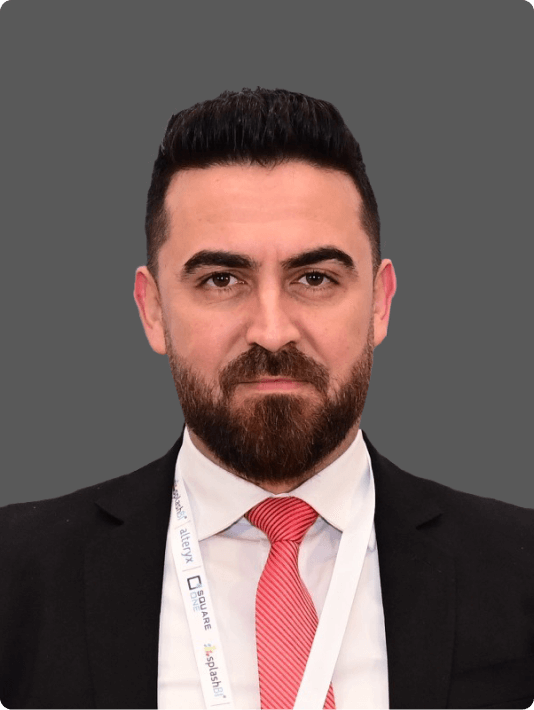
Mehdi Ben Younes is a highly skilled engineer and director at SquareOne Technologies, specializing in the development of client-server solutions and integrated management systems. As the head of Qatar Operations, he brings over 20 years of leadership experience in development, ERP implementation, enterprise process improvements, operations, product management, delivery, pre-sales, and sales.
Mehdi brings a wealth of expertise, having certified and worked on BI platforms such as Target 2000, SQL Analysis Services, SSIS, SSAS, SSRS, Qlik, BI4Dynamics, and Power BI. His experience also spans RDBMS platforms, including Oracle and MS SQL Server, and ERP applications like Sage Line 1000 and Microsoft Dynamics. Mehdi’s diverse skill set and his extensive experience make him a key asset in driving technological innovation and operational excellence at SquareOne Technologies.
Mehdi Ben Younes
Country Director, Qatar
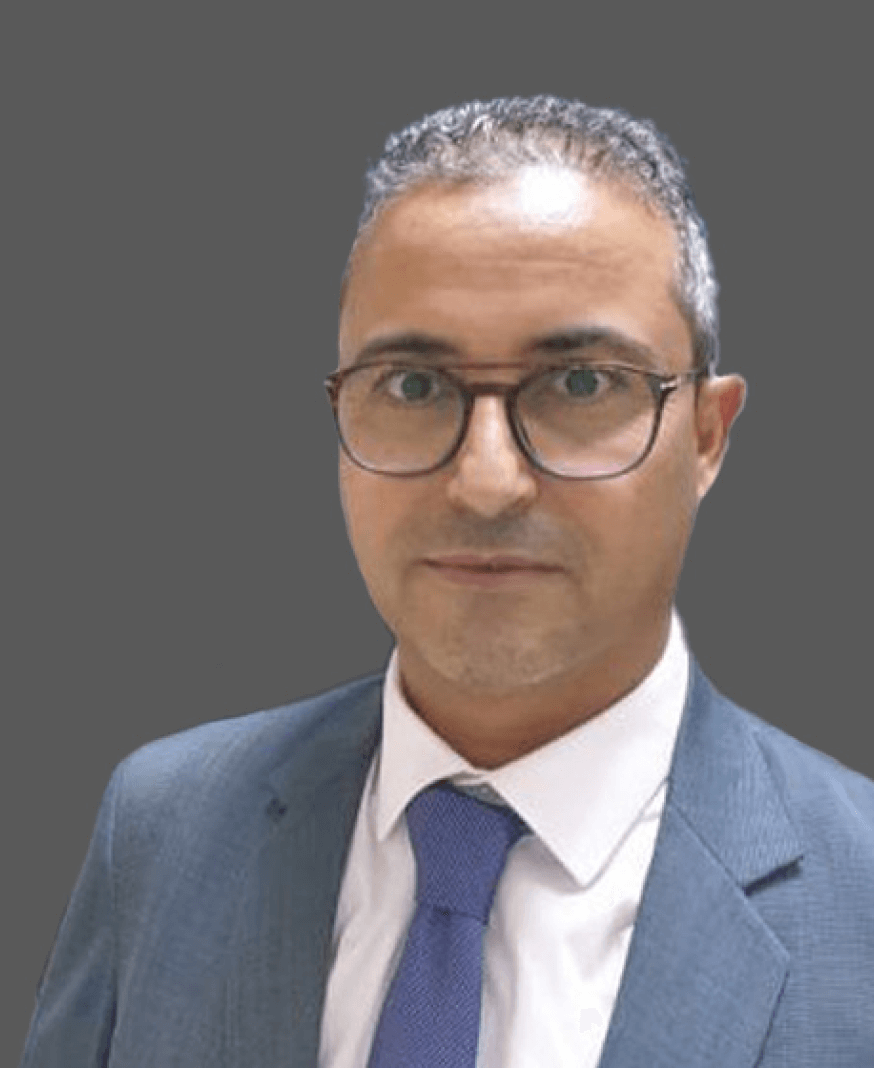
Essam Bakker is the General Manager for SquareOne in the Kingdom of Saudi Arabia. With a robust background as a Principal and Managing Director, Essam has a demonstrated history of excellence in the information technology and human capital solutions industries. His skill set spans Negotiation, Business Planning, Operations Management, and Team Building.
As a strong business development professional, Essam holds an engineering background, an MBA, and has completed an Executive Program focused on Business Administration and Management at UCLA. His leadership and strategic vision have been instrumental in driving growth and innovation at SquareOne, establishing him as a key figure in the industry.
Essam Bakker
General Manager, Kingdom of Saudi Arabia
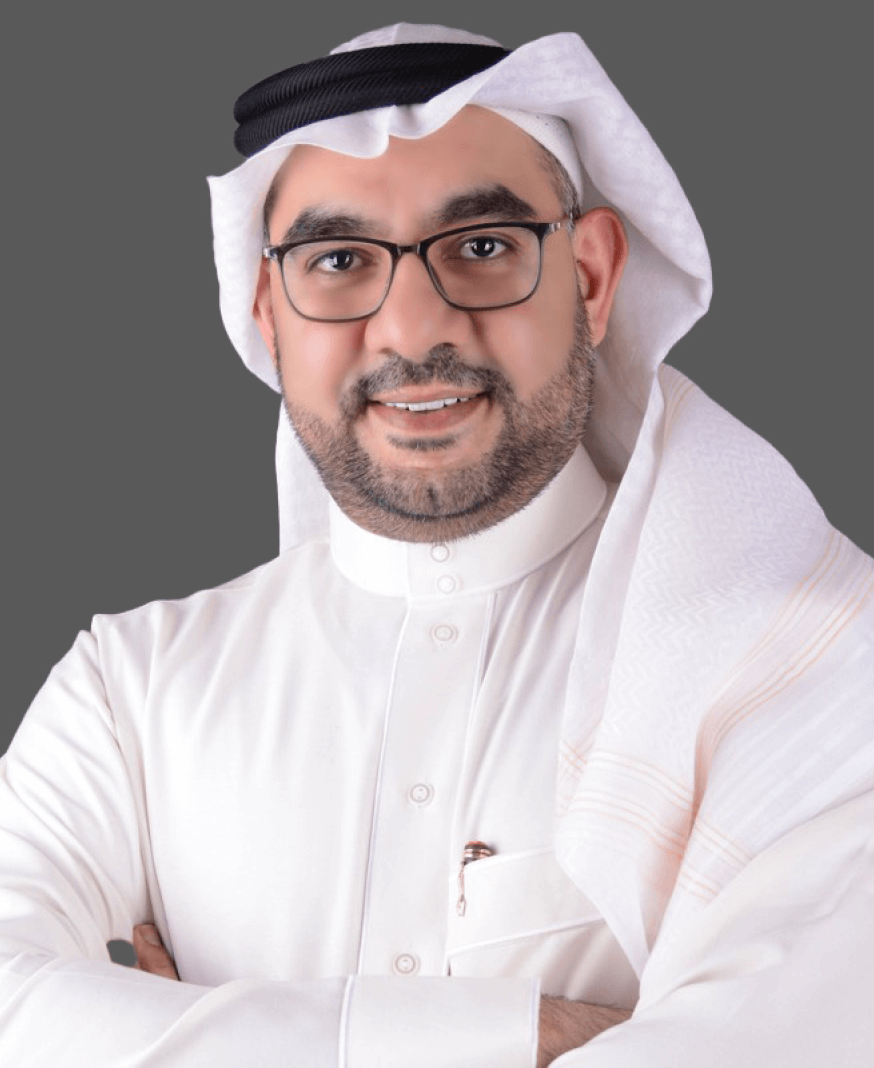
Minosh Salam is a dynamic leader and visionary in the IT industry, bringing over 30 years of extensive experience in business development, marketing, and product management. As the Co-Founder and COO of SquareOne Technologies, Minosh has been pivotal in steering the company towards becoming a leading digital transformation solution provider in the Middle East. His strategic acumen in corporate strategy, partnerships, and business initiatives has solidified SquareOne’s reputation in the market.
Minosh’s expertise spans multiple geographies, including the Middle East, India, and Canada, reflecting his versatile approach and global perspective. In addition to his role at SquareOne, he serves as a board member and advisor to several organizations, including SquareOne Insights, Insuide, InfoScape, and Ensaan Technologies, where he continues to influence and inspire the next wave of technological innovation and business excellence.
Minosh SALAM
COO
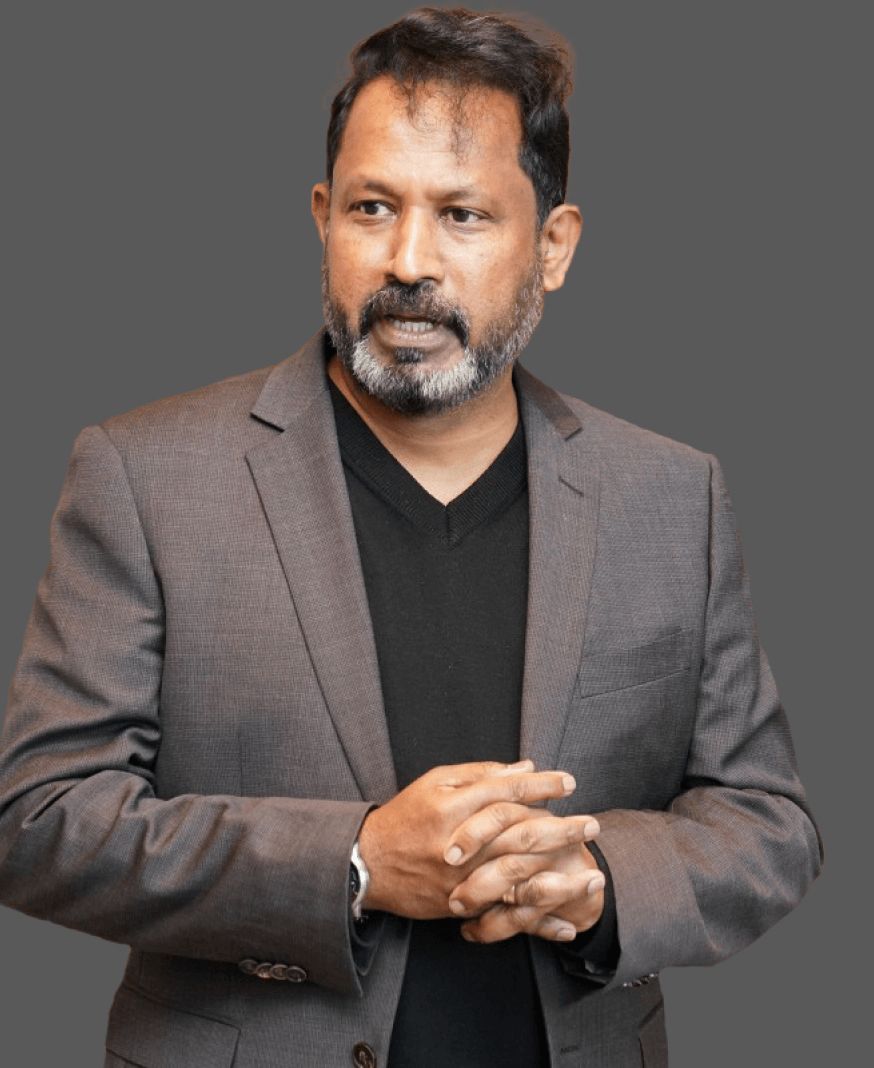
Vinod Philip is the CEO and Co-founder of SquareOne Technologies, bringing over twenty-five years of entrepreneurial expertise in the information and communications technology industry. His extensive career is marked by a deep understanding of the industry and a proven track record of leadership and innovation.
Vinod holds a degree in Economics from the University of Bombay, providing a solid foundation for his strategic business insights and decision-making abilities. His vast experience and educational background have equipped him with the skills necessary to drive growth and success at SquareOne Technologies, making him a prominent figure in the tech industry.
Vinod Philip
CEO